

Look, moving is stressful enough when it’s just you and your boxes. But when you’ve got a four-legged family member who doesn’t understand why their entire world is being packed into cardboard? That’s a whole different level of chaos.
Here’s the thing… your dog doesn’t care that you’re upgrading to a bigger backyard in Summit. Your cat isn’t impressed by the lower property taxes in Berkeley Heights. All they know is that familiar smells are disappearing, strangers are carrying furniture out the door, and their favorite napping spot just got loaded onto a truck.
After helping hundreds of New Jersey families relocate, many with pets in tow, we’ve learned what actually works to keep your furry friends calm, safe, and happy throughout the move. So let’s walk through this together, because your pet deserves a stress-free transition just as much as you do.
Start Planning Way Before Moving Day
You know how everyone says “don’t procrastinate”? Yeah, that actually matters here.
Schedule a vet visit at least 3-4 weeks before your move. This isn’t just about getting health records updated, though you’ll definitely need those if you’re crossing state lines. It’s about asking your vet the questions that’ll save you from a meltdown later: Does my pet need anxiety medication for the drive? Are there specific health certificates required for my new town? What’s the protocol if my cat refuses to eat during the transition?
And while you’re there… get your pet microchipped if they aren’t already. I know, you’re thinking, “My dog never runs away.” But moving day is unpredictable. Doors open and close constantly. Movers are in and out. Your normally chill golden retriever might bolt because everything feels weird and scary. A microchip is your insurance policy.
Get Your New Place Ready (Before You Arrive)
Here’s what smart pet owners do: they scout the new neighborhood before moving day.
Find a local vet in your new NJ town right now. Don’t wait until there’s an emergency. If you’re moving to Morris County, check out places like Berkeley Heights Animal Hospital or Summit Animal Hospital. Get established as a patient before you need urgent care.
Also? Research the local dog parks and walking trails. Your dog’s routine is about to get completely disrupted, knowing where you can take them for a familiar activity (a walk) in an unfamiliar place helps you both adjust faster. Branch Brook Park in Newark, Loantaka Brook Reservation in Morris Township, or the trails around Watchung Reservation are all excellent options depending on where you’re landing.
And if you’re moving into a rental… double-check that pet policy in writing. Yeah, I know you already asked. Ask again. Get it documented. The last thing you need is to show up with Fluffy and discover there’s a “no pets over 25 pounds” clause you missed.
The Carrier Training Nobody Wants to Do (But Should)
Okay, real talk. If your pet hasn’t spent time in a carrier since their last vet visit three years ago, you’re setting yourself up for disaster.
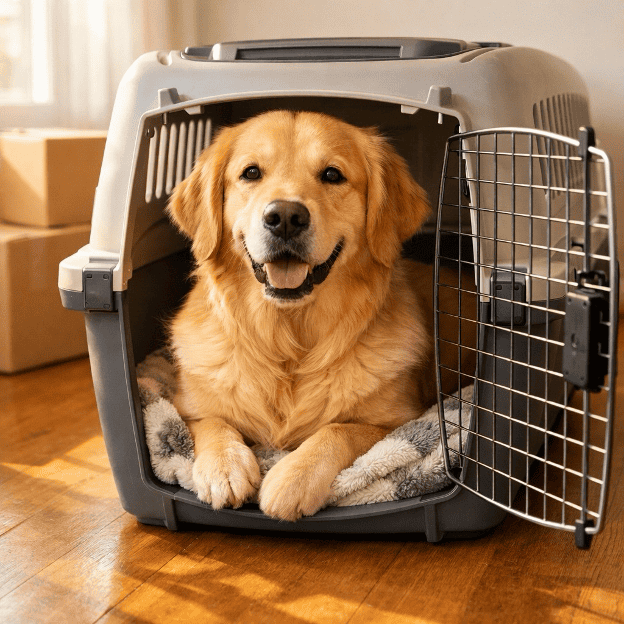
Buy the carrier now, like, today, and just leave it out in your living room. Toss treats in there. Put their favorite blanket inside. Let them explore it on their terms. The goal is to make the carrier feel like a cozy den, not a punishment.
For dogs, if you’re planning a crate situation for moving day or during the drive, start crate training immediately. Have them sleep in it for at least a few weeks before the move. It sounds excessive until you’re three hours into a road trip and your dog is freaking out because they’ve never been confined like this before.

Moving Day Strategy: Keep Them Away from the Chaos
Here’s the move I see work over and over again at Liberty Transportation and Storage: designate one quiet room as your pet’s safe zone.
Set up this room the night before moving day. Put in their bed, favorite toys, food and water bowls, and litter box (for cats). Close the door. Put a sign on it that says “PET INSIDE – DO NOT OPEN.” Your movers will appreciate the heads-up, and your pet gets a sanctuary away from the noise and commotion.
Some families take it a step further and have a friend or family member pet-sit for the day. Honestly? If you’ve got that option, take it. Your pet doesn’t need to witness the stress of moving day, and you don’t need to worry about them darting out when the movers are hauling your couch through the front door.
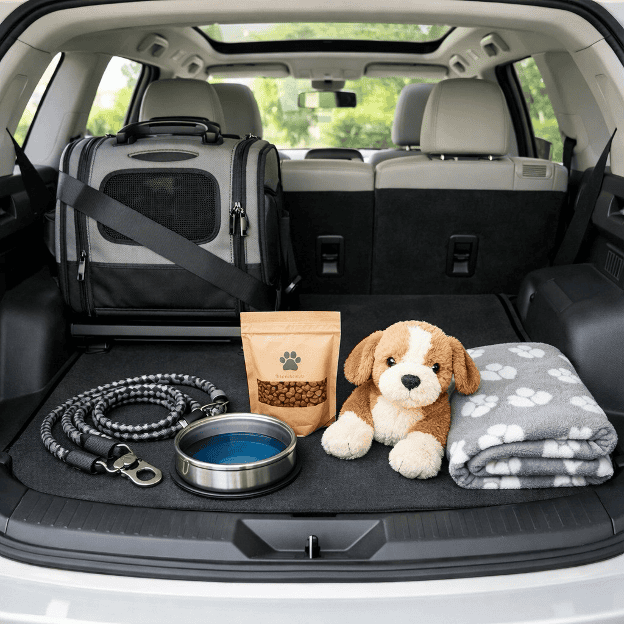
But if your pet stays with you during the move, keep these essentials in your car (not the moving truck):
- Food and water for at least 24 hours
- Medications and health records
- Leash, collar with updated ID tags
- Favorite toys and a comfort blanket that smells like home
- Recent photos of your pet (just in case)
- Waste bags and a portable litter box
The Road Trip: Driving vs. Flying
Let’s be honest… driving your pet to your new home is almost always the better option if it’s feasible.
Airlines have wildly different pet policies, breed restrictions, and seasonal temperature rules. Some won’t fly pets when it’s too hot or too cold. Some charge ridiculous fees. And the stress on your pet traveling in cargo? Not ideal.
If you’re doing a longer drive across New Jersey or beyond, map out pet-friendly hotels beforehand. Chains like La Quinta, Kimpton, and Red Roof Inn tend to be reliably pet-friendly. Book your stops in advance during peak moving season (summer months), because you don’t want to discover at 9 PM that the only available room doesn’t allow animals.
Pro tip: Tire your dog out before hitting the road. A long walk or play session in the morning means they’re more likely to sleep during the drive instead of pacing and whining in the backseat.
Settling Into Your New Jersey Home
Alright, you made it. The truck’s unloaded, boxes are everywhere, and you’re exhausted. But your job’s not quite done yet.
Set up a “pet room” in your new place first, before you even start unpacking your kitchen. Use the same items from their safe zone at the old house. Familiar smells and objects help your pet feel secure while everything else is unfamiliar.
Keep your routine as normal as possible. If you always fed your dog at 7 AM and walked them at 6 PM, stick to that schedule. Consistency is comforting when everything else has changed.
Gradually introduce your pet to the rest of the house. Don’t overwhelm them by giving them free rein immediately. Let cats explore one room at a time over several days. Walk dogs through the new space on-leash before letting them roam freely.
And here’s something people forget: update your pet’s ID tags and microchip information with your new New Jersey address immediately. If they do get spooked and run off in those first few days, you want anyone who finds them to have current contact info.
What Liberty Transportation and Storage Does Differently
Look, we get it. Your pets aren’t just animals; they’re family.
That’s why our crews know to be extra careful when you’ve got pets in the house. We’ve worked with families moving with everything from Great Danes to tiny hamsters, and we understand that your moving day strategy needs to account for them.
When you work with our team, we’ll talk through your pet situation upfront. Need us to work around a designated pet room? No problem. Want us to start with certain areas of the house so you can settle your anxious cat first? We’ll make it happen. After 250+ business and residential moves, we’ve seen it all: and we’ve learned that a little flexibility goes a long way toward reducing stress for everyone involved.
Check out what our clients say about their experiences in our testimonials: many of them mention how accommodating we were with their four-legged family members.
The First Week: Give Them Time and Grace
Your pet might act weird for a few days. That’s normal.
Cats might hide under the bed. Dogs might seem clingy or anxious. Some pets refuse to eat normally for the first 48 hours. Don’t panic: just be patient and maintain that routine we talked about.
Explore your new neighborhood together. Find new walking routes. Locate the nearest dog park (seriously, download the BringFido app if you haven’t already: it’s a game-changer for finding pet-friendly spots in New Jersey). Let your pet mark their territory and create new positive associations with the area.
And if you notice prolonged anxiety, loss of appetite beyond a few days, or any concerning behavioral changes… that’s when you call that new vet you already found. See? Planning ahead pays off.
The Bottom Line
Moving with pets doesn’t have to be a nightmare. It just takes planning, patience, and a little extra effort to see things from their perspective.
Your dog doesn’t understand logistics. Your cat doesn’t care about your timeline. But they do trust you to keep them safe and comfortable through this massive change. By preparing early, maintaining routines, and creating safe spaces throughout the process, you’re honoring that trust.
And honestly? When you finally settle into your new New Jersey home and see your pet curled up in their favorite spot, completely at ease… all that extra effort feels totally worth it.
Need help planning a pet-friendly move? Reach out to our team: we’ve been helping New Jersey families (furry members included) relocate stress-free for years, and we’d love to make your move as smooth as possible.